Illustrative Math is one of the strongest problem-based math programs out there (trust me–I used it for years!), but it ONLY works its magic when it’s taught the way it was designed to be taught. That may take some retraining of YOUR habits as well as your students, so give yourself some grace as well!
Most of all, give students the space to grapple with a problem before showing them how to solve it, and watch something click. Of course, this doesn’t happen overnight. With guidance and modeling, kids start explaining their thinking instead of guessing, they build on each other’s ideas instead of waiting to be told the “right way,” and problem solving becomes a habit instead of a mystery.
If you’re new to the program, or you want to get more out of it, here are a few more things worth keeping in mind.
Trust the productive struggle
It’s SO tempting to jump in and rescue students the moment they hit a snag. But that early struggle is doing real work. Give students time to wrestle with a problem before offering a hint, and resist the urge to model a strategy too soon.
The thinking that happens in that uncomfortable middle space is exactly what builds problem solvers. I know we all THINK we are giving wait time, but if you actually watch the clock, you might be surprised at how quickly you tend to jump in.
Make discourse the main event
Illustrative Math is built around students talking, not just working quietly and turning in an answer. Whole class discussions, partner talk, and structured math talk moves aren’t extras. They’re where most of the learning actually happens.

The lesson plans give you the questions. Your job is to protect the time for kids to actually use them. If this type of teaching and learning is new for you, plan ahead, read the lessons, mark the questions, and think about how you can model your own thinking to help students learn this vital skill.
Also, if you don’t have sentence starters posted in your room, do it! (Here’s a FREE SET if you need one!) Giving students help with their oral language is one of the easiest ways to get them talking.
Use the launch, explore, discuss structure as designed
Each part of a lesson has a purpose. The launch or “warm up” sets up the context so all students can access the problem. The explore gives students time to work through it themselves or with a partner. The discussion is where the real math connections get made. Skipping or rushing any one of these pieces tends to weaken the whole lesson.
This is also one place where built-in review occurs as a part of a coherent progression (along with other places in the curriculum). You really want to give it the attention it deserves!
Resist the urge to over-scaffold too early
It can feel more comfortable (for you and your students!) to break a problem into smaller steps for students right away, especially for kids who struggle. But part of what makes these tasks powerful is the low floor, high ceiling design. Let students find their own entry point first, and step in with support only when they actually need it.
You really need to learn to be an excellent observer and “question asker”. This will help you learn how to give JUST enough information to get students un-stuck without doing too much for them. Students will retain and learn so much more if they figure out it on their own rather than be simply told how to do something.
The importance of the cool downs
The cool-down at the end of a lesson is more than a formative check box. It’s actual data that should shape what happens next. If most of the class nails it, you can move forward with confidence. But if a handful of students are still shaky, that’s your cue to pull a small group for a little extra coaching before the next lesson builds on that skill. Maybe you need to break out some manipulatives or approach the lesson a different way. That’s good teaching!
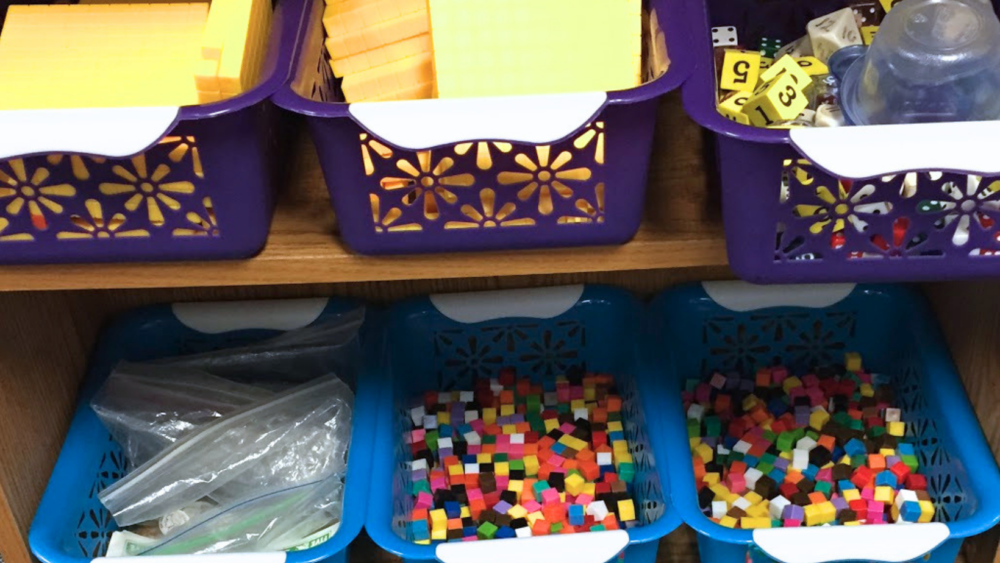
And sometimes what you’re seeing tells you the entire class needs to step back a step or two rather than push ahead. None of that means the curriculum isn’t working. It means you’re doing exactly what good teaching requires, watching closely and responding to what students actually need instead of just moving through the pacing guide on autopilot.
So what about extra Illustrative Math practice?
Here’s the honest truth: plenty of teachers who use Illustrative Math well still want more built-in practice reps for their students, especially to build fluency with the skills those rich problems are asking kids to apply. That’s a completely fair thing to want, and it doesn’t mean the program isn’t working. It just means kids can benefit from some additional reps to cement what they’re learning through the problem-based lessons.
That’s exactly why I built a set of Illustrative Math practice workbooks for grades 2-5. They’re designed to complement the program, not replace it, giving students extra practice with the skills and concepts from each unit without taking time away from the rich problem-solving work already happening in your math block.
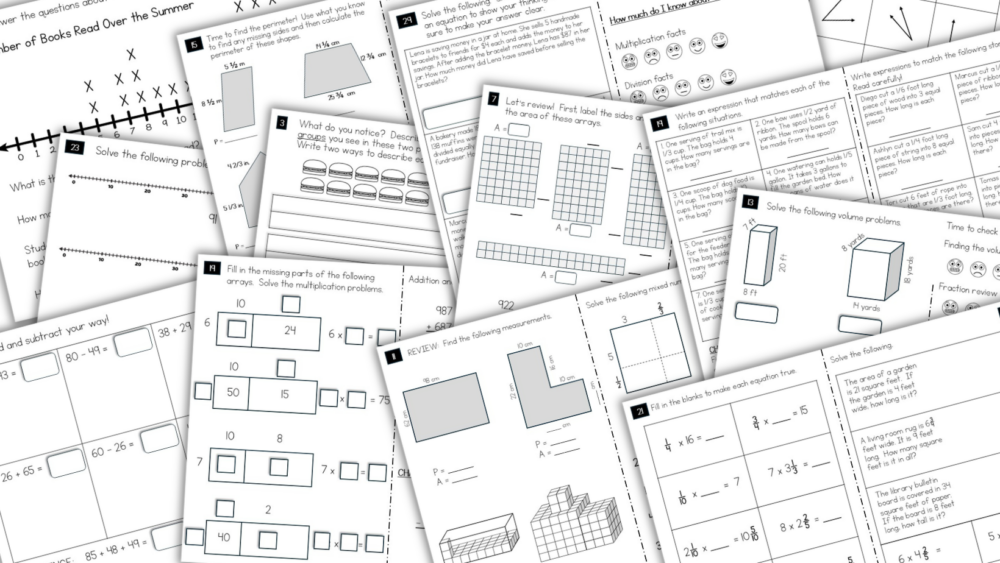
Teachers are using these in math centers, for homework, as bell-ringers…and the response has been SO positive If you want to check them out, you can click the buttons below!




Do you follow me on social media yet?
I’d love to connect there!