Studying Characters in Narrative Writing Lessons
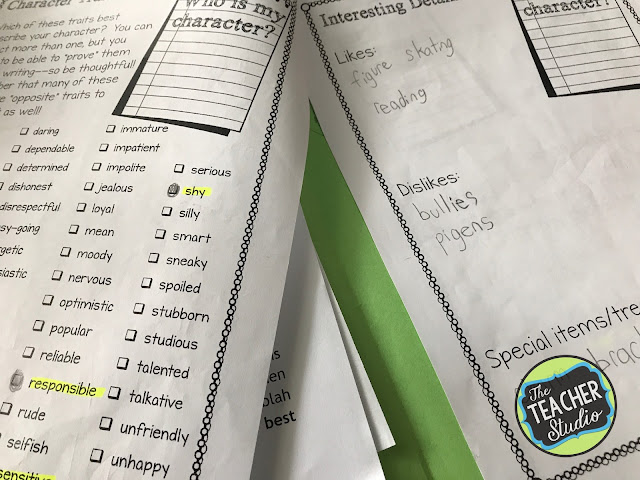
As we started our narrative unit several weeks ago, we spent a great deal of time studying our main read aloud, Fish in a Tree, along with other picture books I selected. We studied the characters, their traits, their actions, and then–finally–their words. We actually then worked to create our own characters that we would later insert into some “mini” narratives that we wrote.
The students were SO engaged and I truly saw them thinking more deeply about the characters in their own books. (Note: This student had a bad experience with a pigeon…I guess my “hint” that authors often work their real life into their books paid off!)
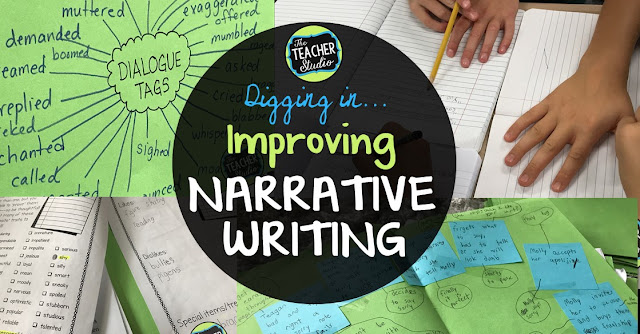
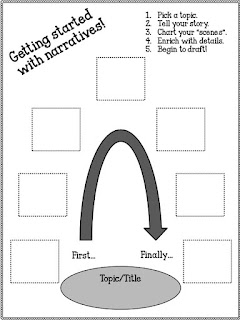
Creating a Story Arc or “Story Map”
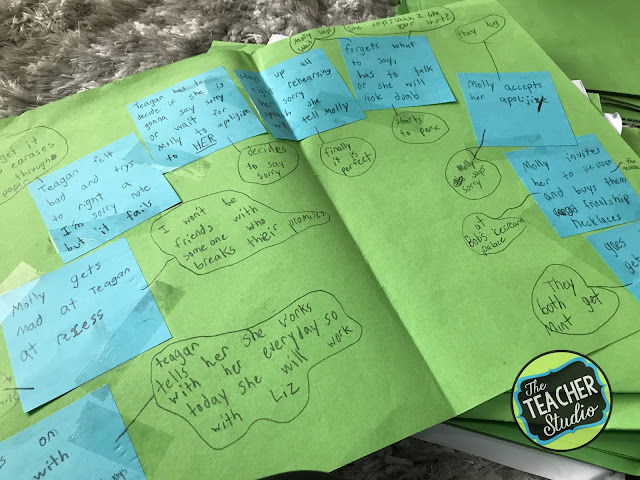
Learning how to write dialogue
As we started to uncover all the ways authors help readers get to know characters, I challenged my students to do the same in their own writing. We wanted our readers to really know our characters.
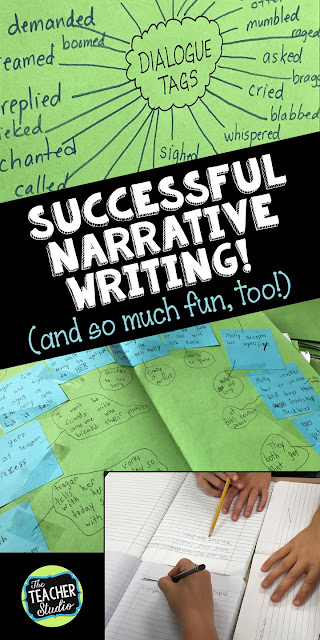
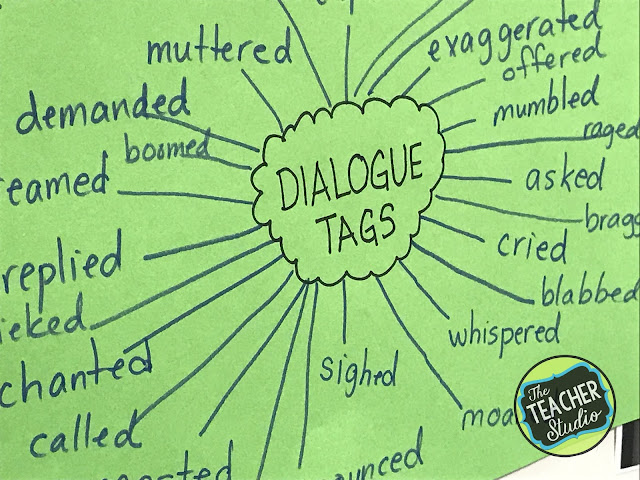
Students grabbed their independent reading books (one of my favorite parts of this lesson, since it works for every level) and began hunting for dialogue tags.
We captured our examples on sticky notes and then regrouped to share. I added their discoveries to a class chart, and we dug into what those tags really communicate. How does “mumbled” feel different from “shouted”? What does it tell us about a character if they “demand” something?
Writing Dialogue
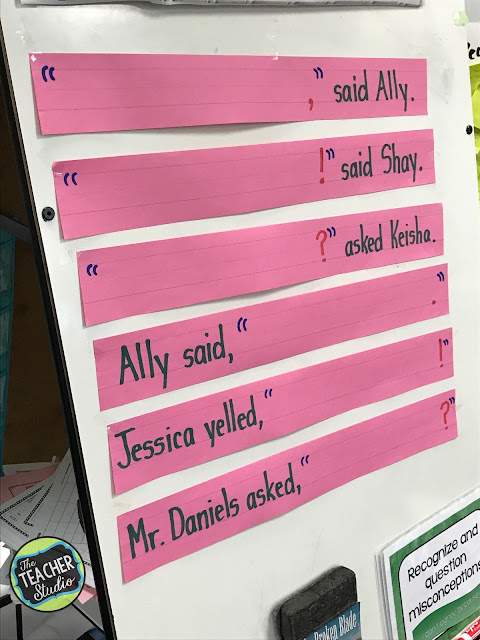
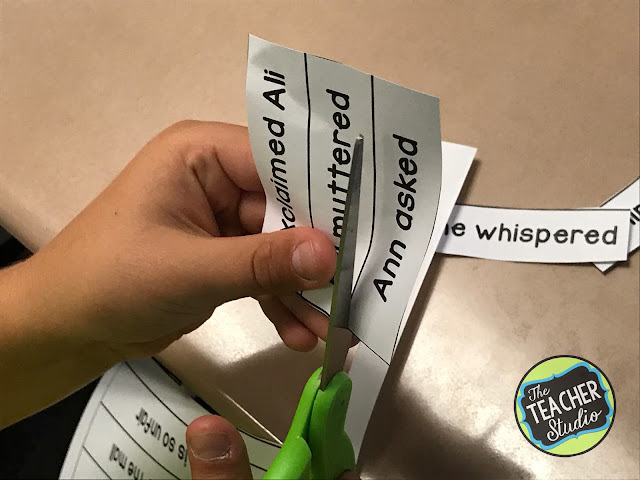
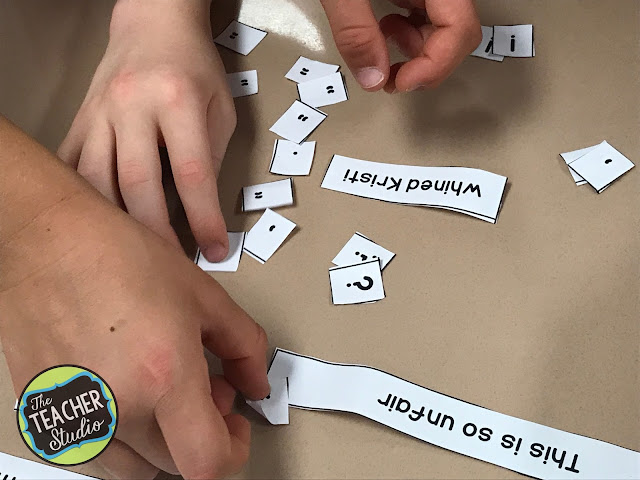
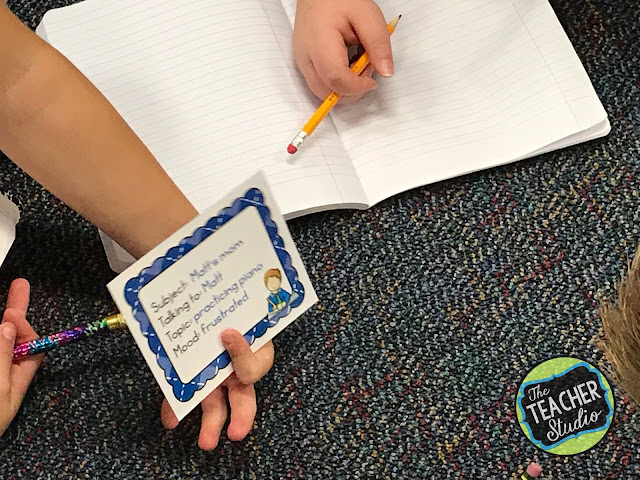
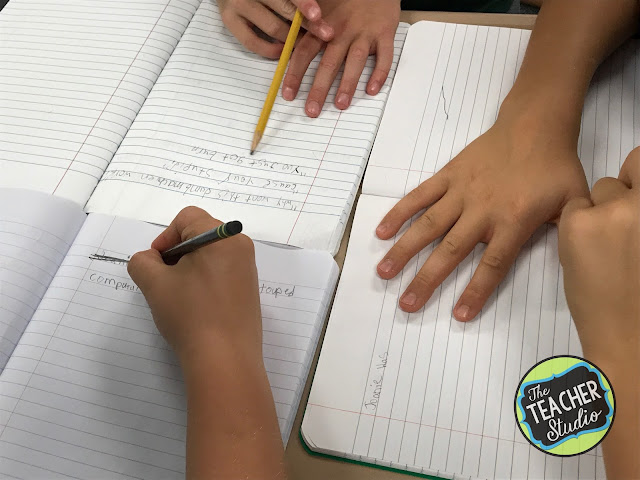
It was so much fun to see their creativity shine. Their writing clearly reflected their understanding of how authors reveal characters, and it naturally opened the door for us to dig a little deeper into their craft.

Using “Fish in a Tree” and other books to put all the pieces together!
With all the pieces in place, we were finally ready to write our narratives! It’s funny…we spent two weeks preparing and just three days actually writing. It was amazing to see how all of those quick writes paid off. Students could clearly see how the planning made their stories feel almost effortless.
When I asked how many felt this was the best thing they had ever written, it was almost unanimous! And if you’re working on narrative writing, I can’t recommend Fish in a Tree enough. It’s such a powerful mentor text for studying character development, change, and growth.
Narrative writing lessons that connect directly to what students are reading? Yes, please!
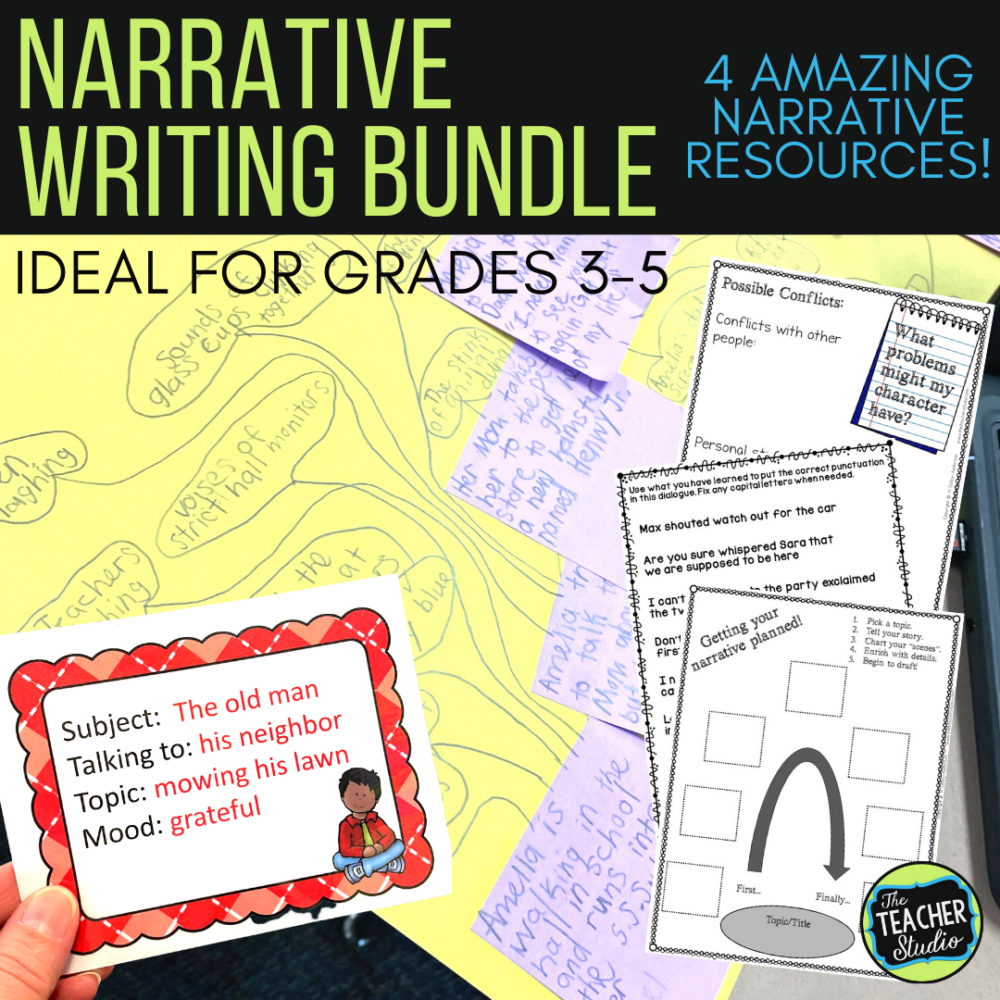
Want some help with your narrative writing lessons?

Do you follow me on social media yet? I’d love to connect there!