Can we talk about read-alouds for a minute?
After more than 30 years in the classroom, I can tell you without hesitation that the read-aloud was one of the most powerful tools I had. Not just for building vocabulary and comprehension, but for creating the kind of classroom community where kids actually wanted to show up every day.
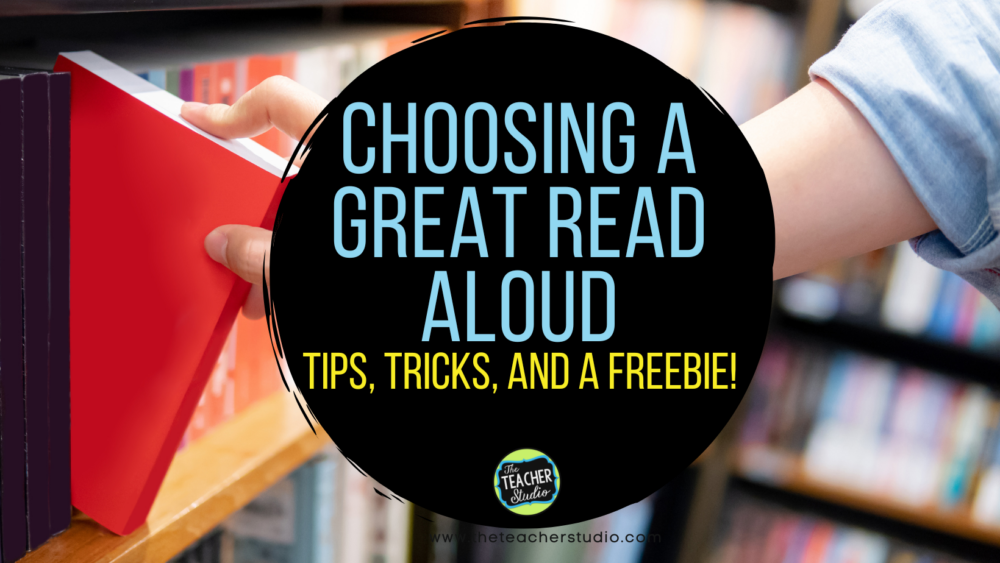
But here is the thing I wish someone had told me earlier in my career: not every great children’s book is the right choice for a classroom read-aloud. The best ones do double (or triple!) duty. They pull students in AND stretch their thinking AND give you something real to work with instructionally. That combination is worth being intentional about.
So today I am sharing this free checklist to help you do exactly that, and I’ll explain a little more about why I think this is so important.
WHY INTENTIONAL BOOK SELECTION MATTERS
When I think back on the read-alouds that really mattered – the ones students still talked about weeks (or even months!) later, the ones that sparked the best writing, the ones kids asked to hear again – they all had a few things in common.
These were books I genuinely loved. They had rich, interesting language. They featured characters with real “depth” – people whose experiences felt true and interesting and whose stories expanded my students’ understanding of the world. Sometimes it’s ok to read a book just for “fun”, but we can also be so much more mindful when we do some planning ahead.
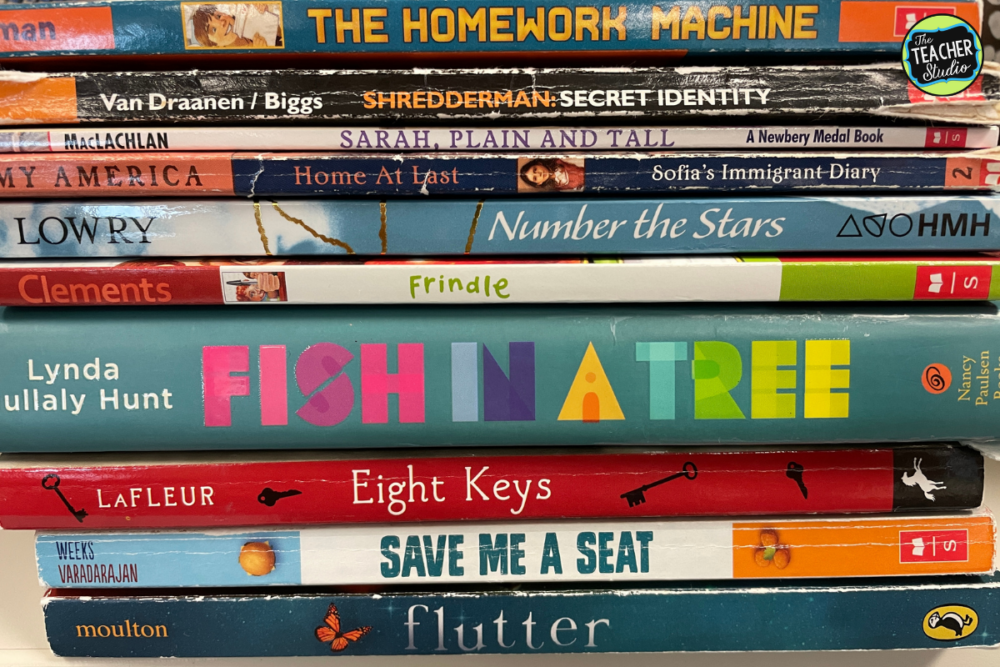
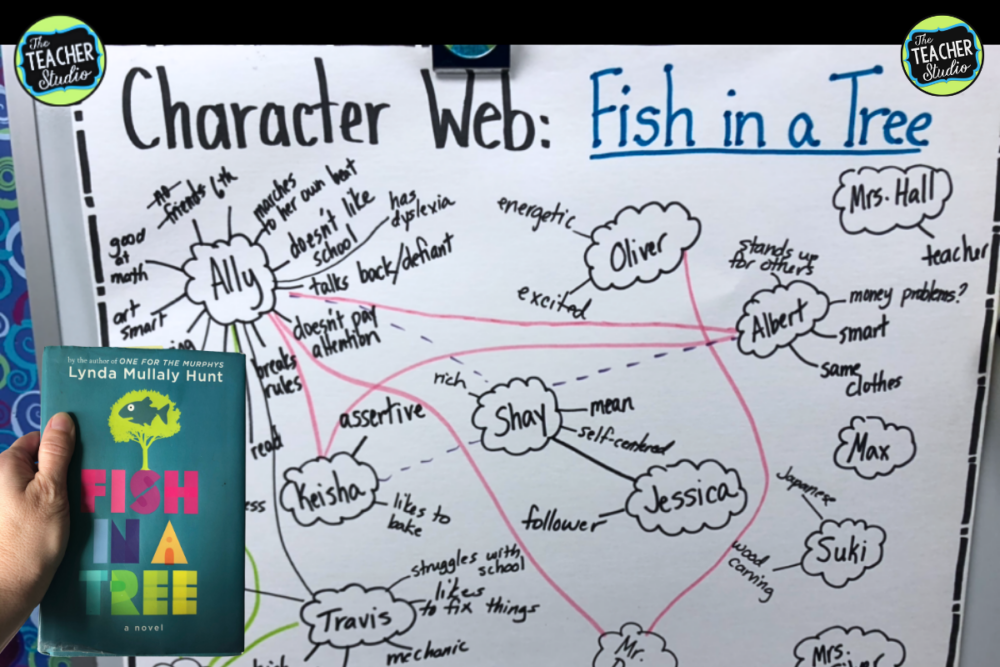
Books like Esperanza Rising gave us a jumping-off point for conversations about resilience, injustice, and what it means to start over. Fish in a Tree opened up honest dialogue about learning differences in a way that felt safe for kids who needed to hear it. No Talking was pure joy – hilarious and clever and sneaky-smart about how we communicate (and VERY relatable!).
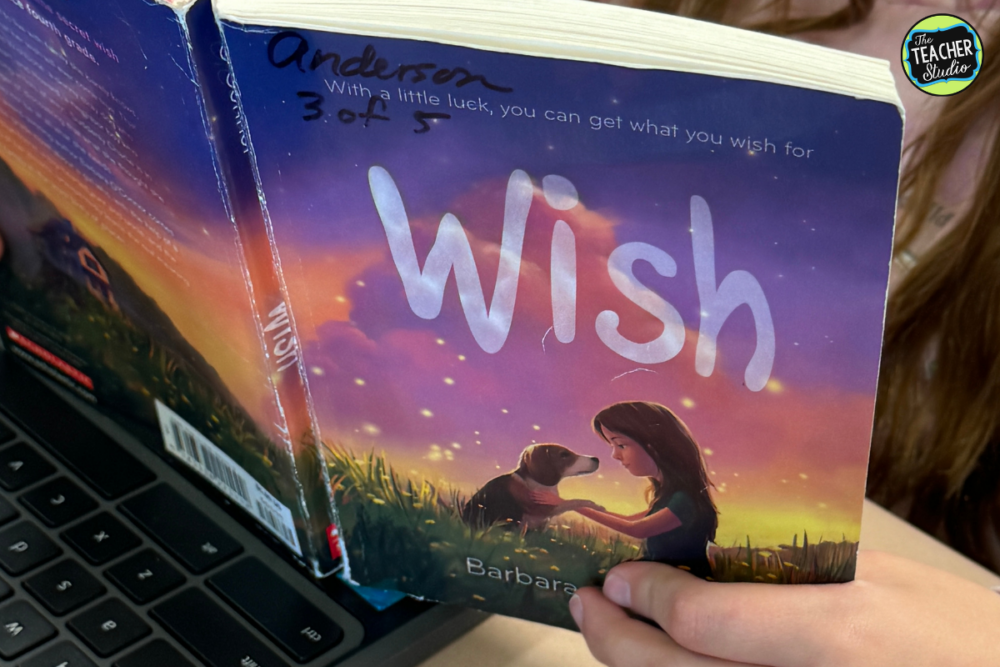
Sarah, Plain and Tall was quiet and beautiful and taught students what good writing can do even when nothing “exciting” happens, and it was a perfect tie to our social studies content. And Wish? If you have not read it aloud to your students, check it out and see if it’s a good fit for your group. Students love it and there is SO much to talk about!
None of those books happened by accident. They were chosen.
WHAT THE BEST READ-ALOUDS HAVE IN COMMON
Over the years, I started noticing a pattern in the books that did the most work in my classroom. Here is what they tended to share:
Literary quality that holds up out loud. There is a big difference between a book that reads well on the page and a book that sounds good in your voice. The best read-alouds have rhythm. They have language worth savoring. They make you want to slow down and re-read a sentence just to hear it again…and please DO slow down and re-read! This is fabulous modeling for students about what to do when they read on their own.
A reason to talk. The books that sparked the best discussions were the ones that did not wrap everything up too neatly. They left room for students to wonder, disagree, and make connections to their own lives. Sometimes choosing the first book in a series can help students get “hooked” and want to continue.
Characters and settings that expand your students’ world. When I look back at our year-long read-aloud lists, I can see where we did well and where we fell short. The years where I made intentional choices to include books set in different places and times, with characters from a wide range of backgrounds, interests, and personalities, were the years students came away with a bigger, richer understanding of the world. That does not happen by accident either.
Something you can actually use in your teaching. The strongest read-alouds were not just a nice 20 minutes after lunch recess. They gave me vocabulary to teach, craft moves to study in writing, and comprehension strategies to practice. They also helped us bond as a classroom community and talk about really important topics!
One more thing…
Consider tracking your students’ thinking as you go. It really helps give them ownership in the book and helps them feel “seen” when their ideas are captured.
GRAB THE FREE READ ALOUDS CHECKLIST
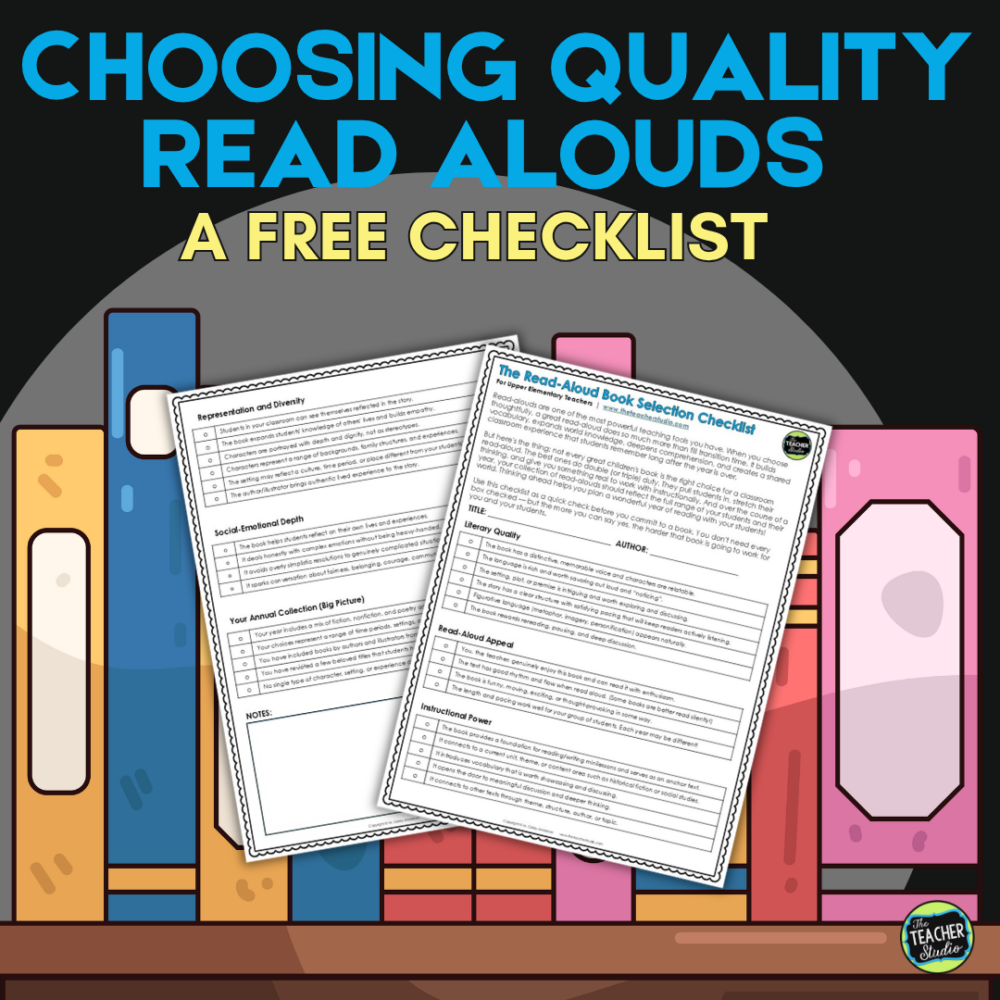
I put together a one-page checklist to help you think through all of these things before you commit to a book. It covers:
- Literary quality and read-aloud appeal
- Instructional value and curriculum connections
- Representation, diversity, and building empathy
- Social-emotional depth
- How your full year-long collection holds together
I designed it to be a quick gut-check – not a lengthy rubric. You do not need to check every single box. But the more you can say yes, the harder that book is going to work for you and your students.
A NOTE ON YOUR WHOLE-YEAR READ ALOUDS
One thing I really believe in is stepping back occasionally to look at your read-aloud choices across the whole year. It is easy to fall into patterns without realizing it – gravitating toward books with similar characters, settings, or themes. The checklist includes a “big picture” section for exactly this reason.
Ask yourself: Are my students seeing themselves in these books? Are they also seeing lives and experiences different from their own? Is there a mix of fiction, nonfiction, and poetry? Are there books by authors from a variety of backgrounds?
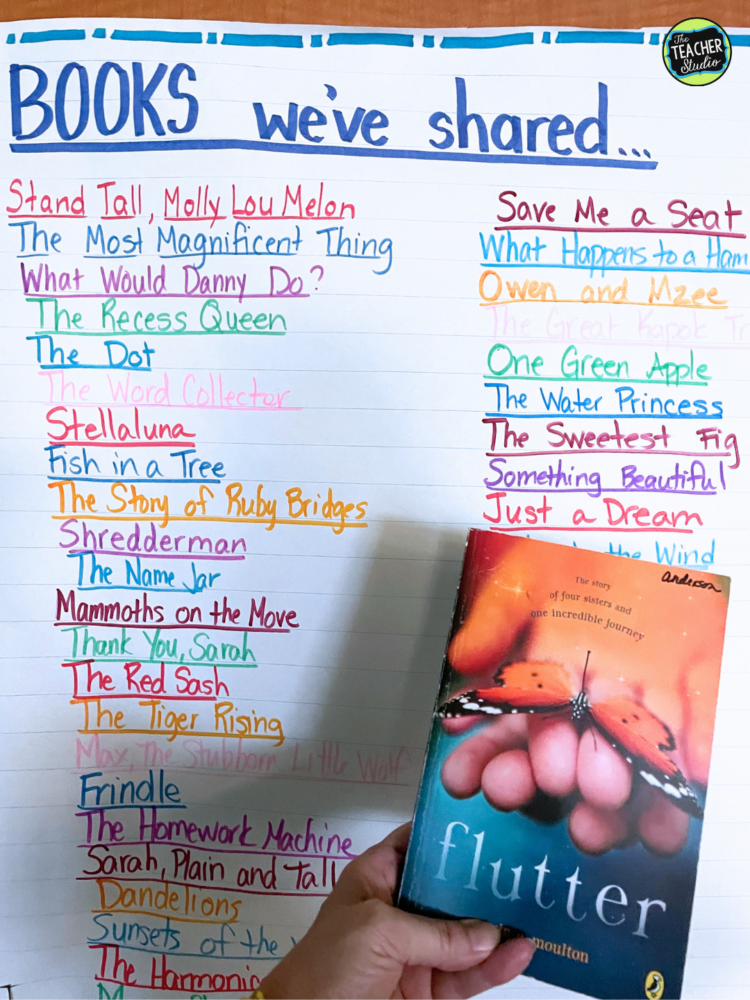
Another great idea is to track all the books you share with your class! It makes it easier for students to make connections and refer to previously read books, and also helps YOU remember which books were read and when!
Remember, you do not need to overhaul everything at once. Even adding one or two new titles each year, chosen with a little more intention, makes a difference.
REFLECTION TIME!
I hope this checklist becomes something you reach for at the start of each unit or each time you are standing in the library trying to decide what to bring home. Read-alouds are one of the few things in the school day that can build community, develop language, expand empathy, and teach content all at once. They deserve a little extra thought.
And if you want to share what you are reading aloud this year, come find me on Instagram – I love seeing what other teachers are bringing into their classrooms.
I wrote about this topic a few years ago and asked my readers for some of THEIR ideas! Check that blog post out here!
Happy reading–and don’t forget to grab that free checklist below!
Do you follow me on social media yet? I’d love to connect there!