
Whenever I see that struggle, I pull out one of my favorite ways to make the concept click:
The Herding Game.
This simple, high-energy activity gets students up, moving, and thinking about what division really means. It helps them see that you can divide items into a set number of groups, into groups with a set number of items, and that sometimes there will be extra items—our good old remainders!
Setting the Stage
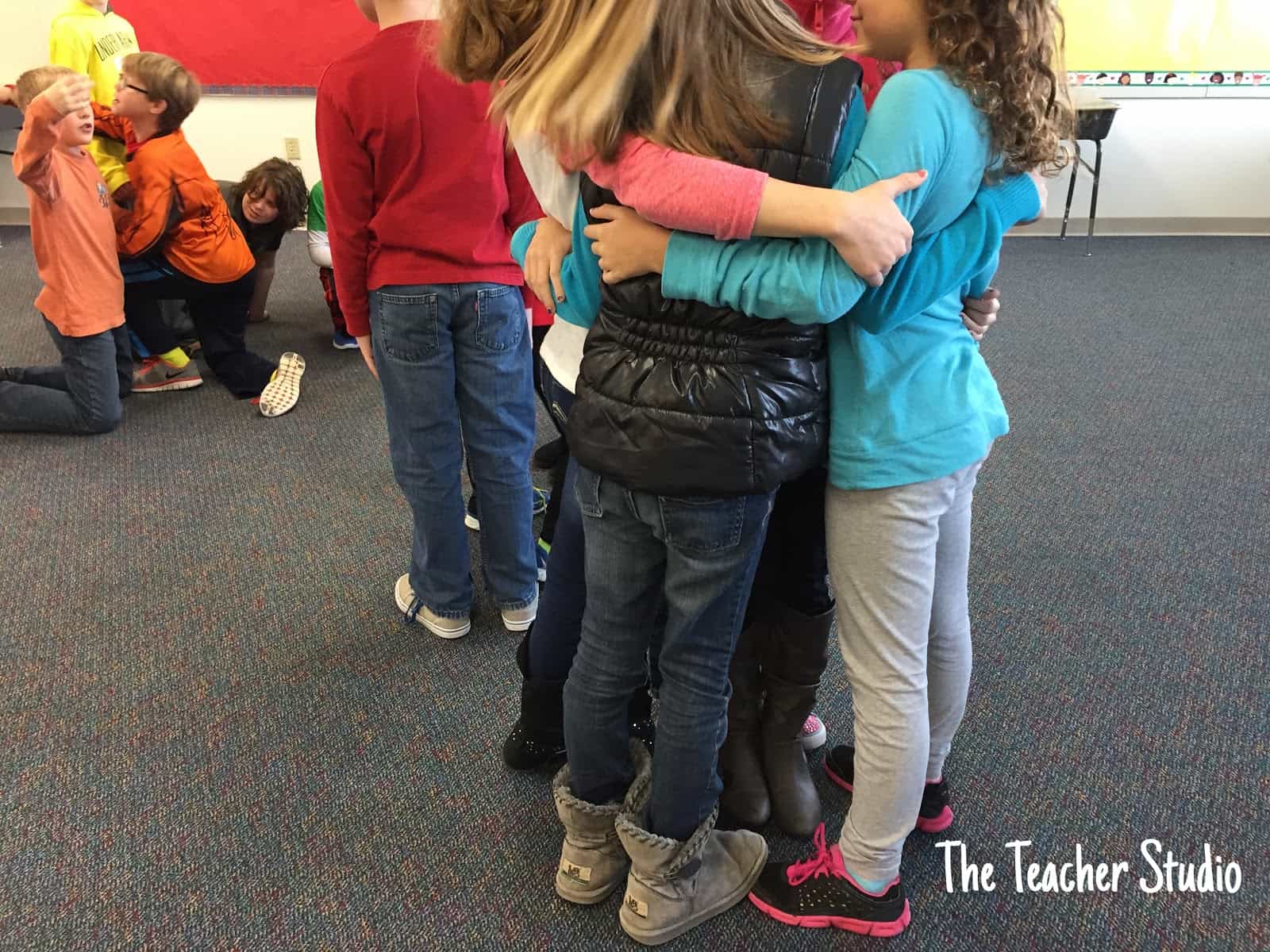
To kick things off, we brainstorm animals that live in herds. This leads to a lively discussion about “flocks,” “pods,” and “gaggles,” before we eventually decide that—just for the day—all animals will live in herds, even if they really belong in prides!
It’s a fun, silly way to start the lesson, and it helps students get excited before we even start the math part.
How to Play “The Herding Game”
The rules are simple:
-
I call out an animal and a number of “herds” they need to form.
-
For example: “Buffalo—herds of 5!”
-
-
Students rush to form groups of that size.
-
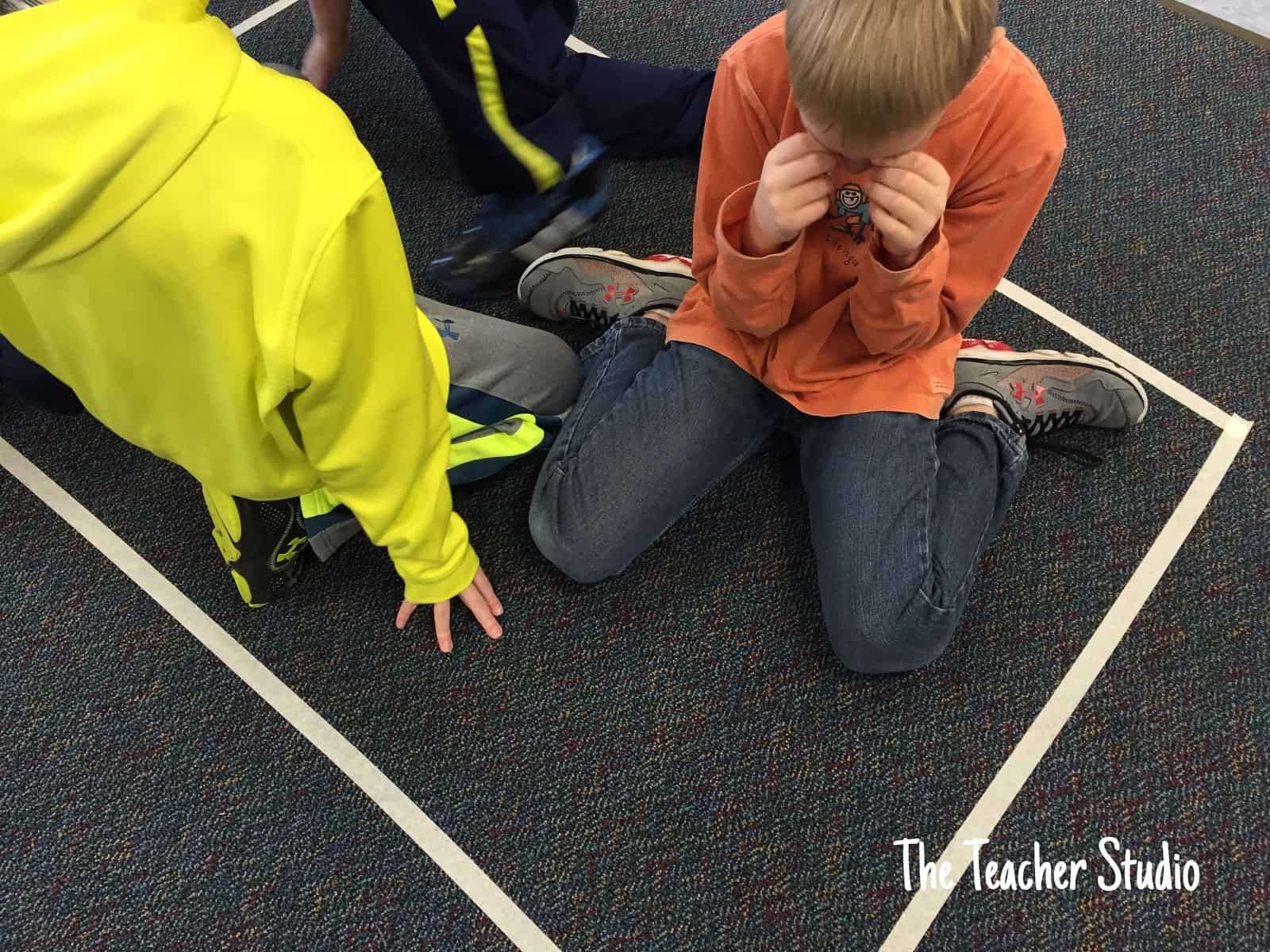
Any “leftovers” go to the taped-off zoo area on the floor.
-
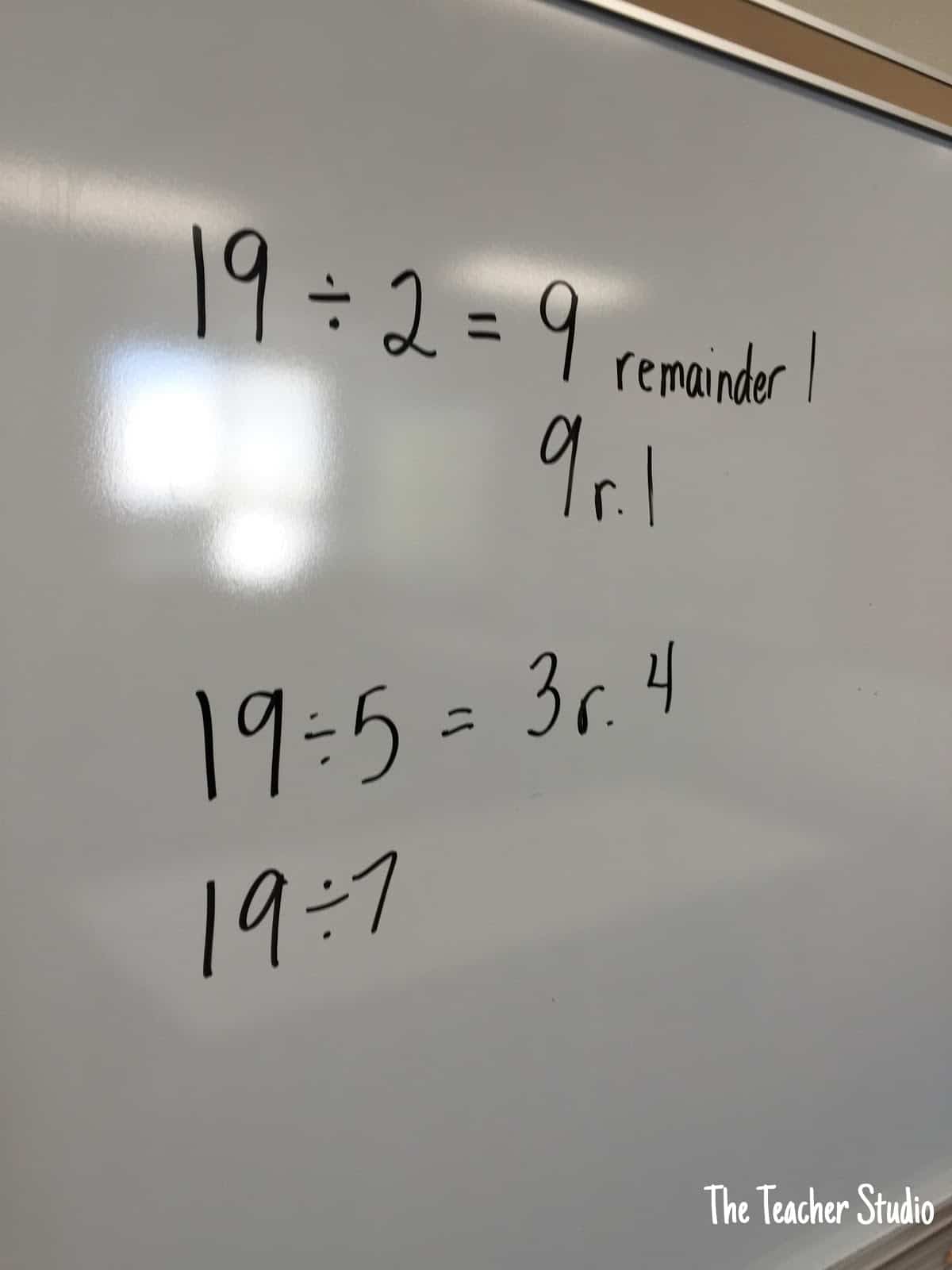
We record our thinking on the whiteboard—showing the division fact, the remainder, and how it connects to multiplication.
So if we have 19 buffalo, we divide them into herds of 5. That gives us 3 full herds with 4 animals left over.
We write it as 19 ÷ 5 = 3 r4, then connect it back to multiplication: 3 × 5 + 4 = 19.
Students love acting it out, and it gives them a concrete model for division with remainders that sticks with them far longer than a worksheet ever could.
A Little Twist to Keep It Fair
To make sure the same students don’t keep ending up in the zoo, I hand out a small token each time someone lands there. Anyone holding a token is safe from zoo duty in the next round!
It’s a small thing, but it keeps everyone engaged and prevents “repeat zookeepers.”
When Things Get a Little Wild…
Not every class handles this activity with the same level of self-control! 😅
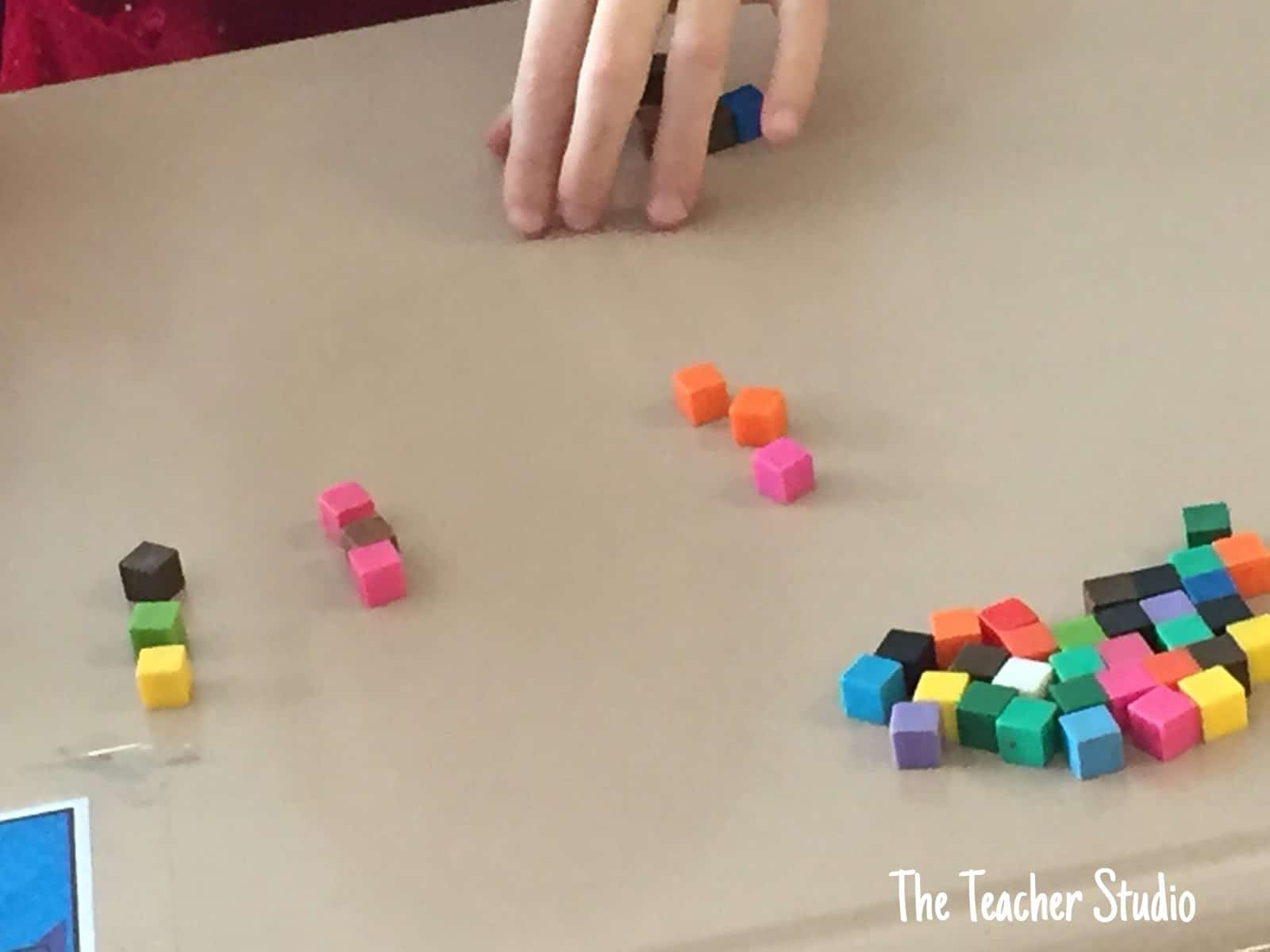
When I see the energy level getting too high, we shift gears and use counters at our desks to act out the herds instead. That way, I can vary the number of animals quickly, and students can still explore different division situations—without the chaos of a full-class stampede!
Supporting Struggling Learners
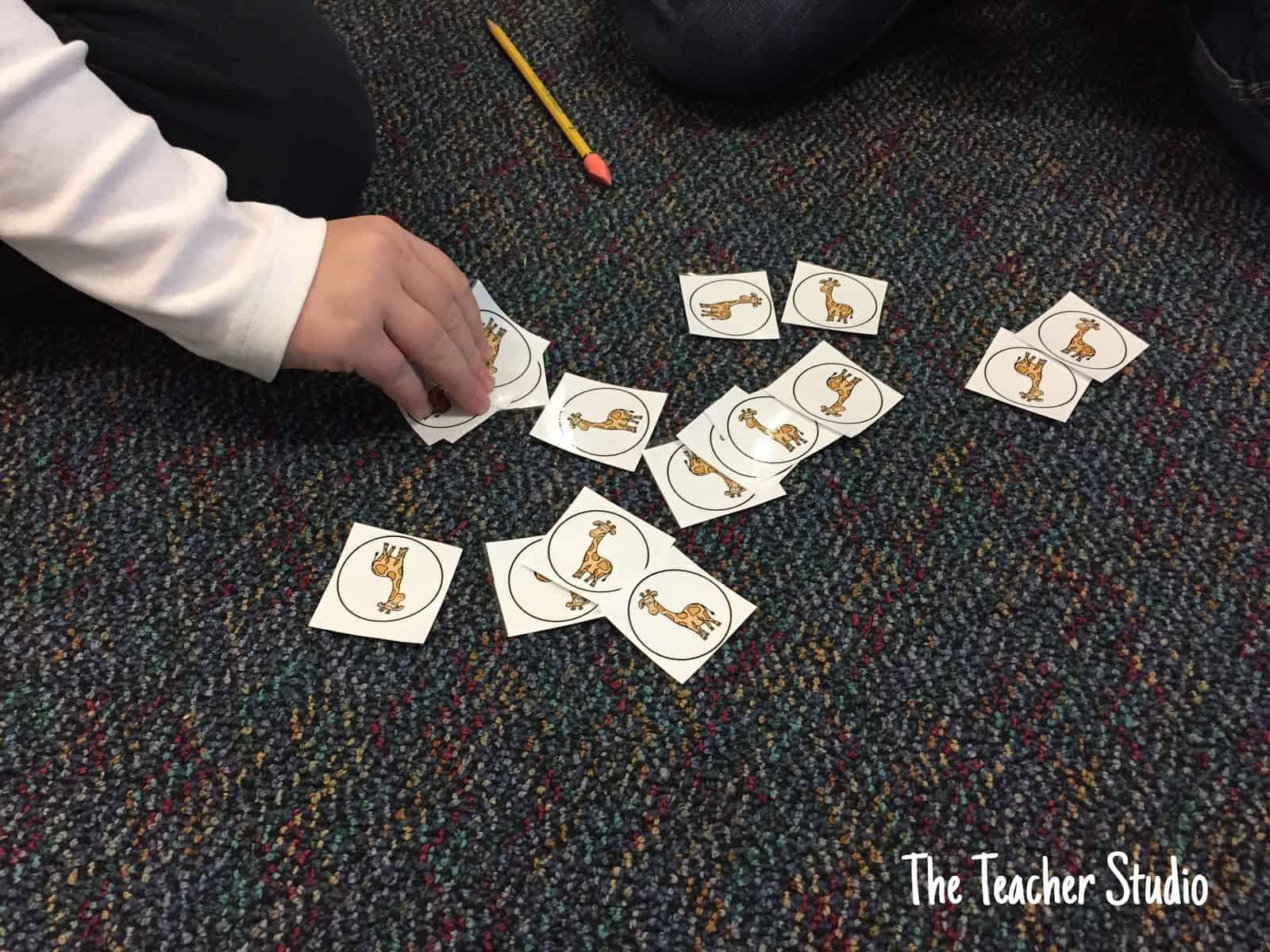
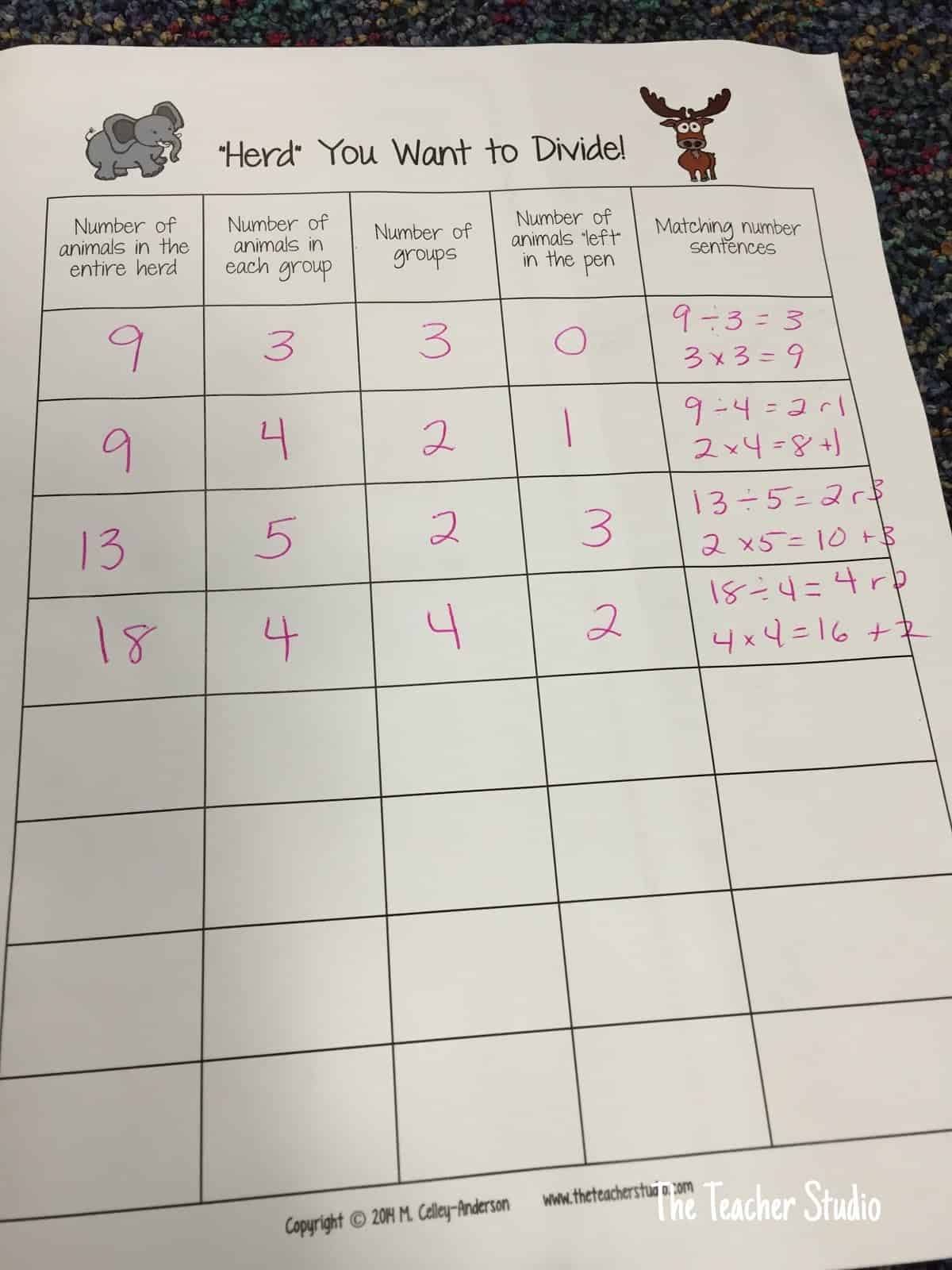
After students move on to independent practice, I invite anyone still feeling uncertain to come back and work with me in a small group. We revisit the herding scenarios using the adorable animal “manipulatives”, and I use a simple recording sheet to track our work together.
Usually, after ten minutes or so of modeling and discussion, the lightbulbs start going off—and students leave feeling much more confident.
Wrapping It Up
Anyhoo! The Herding Game is such an easy lesson to replicate, and it’s a great way to introduce division concepts in a way students will actually remember.
If you’d like to give it a try, it’s part of my Introduction to Division Lesson which includes:
- Printable animal counters
- Game directions
- Recording sheets
- Real-world division word problems
You can check it out right here!

Looking for even more help teaching division? Check out this bundled set with 7 resources ranging from hands-on lessons and games to word problems to assessment options!