OK…I have to admit. I feel I have worked soooo hard at getting my students secure with their larger number addition and subtraction but I STILL see lots and lots of computational errors. I decided that I needed to create a way for students to practice–and also wanted something that would be usable over and over…would be differentiated by student need…would be fun…and could be done independently or cooperatively.
No problem, right?
My kids love working with dice, so I started working on a set of task cards where they could roll to make numbers that they would then add or subtract to work on precision. As often happens, a small project grew into a LARGE project and I decided I wanted cards at every level imaginable–from no regrouping to one trade to multiple trades. I wanted 2, 3, and 4 digit problems and I wanted to avoid having students create “messy” problems where the top number was
larger than the bottom.
Thus my “Toss and Solve” resource was born!
Here are some photos of the task cards in action!
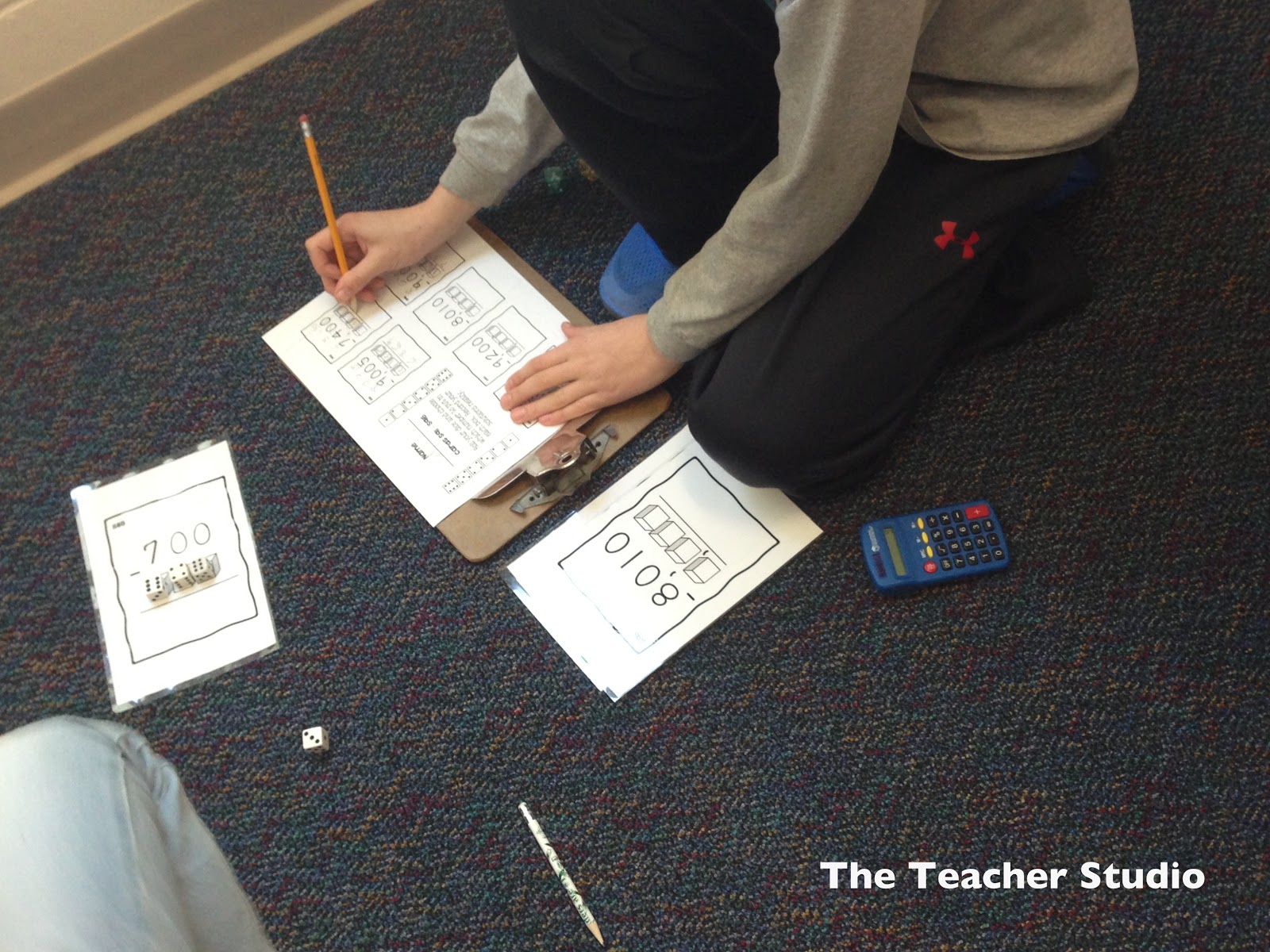 |
| I let students check their work with calculators–even more fun! |
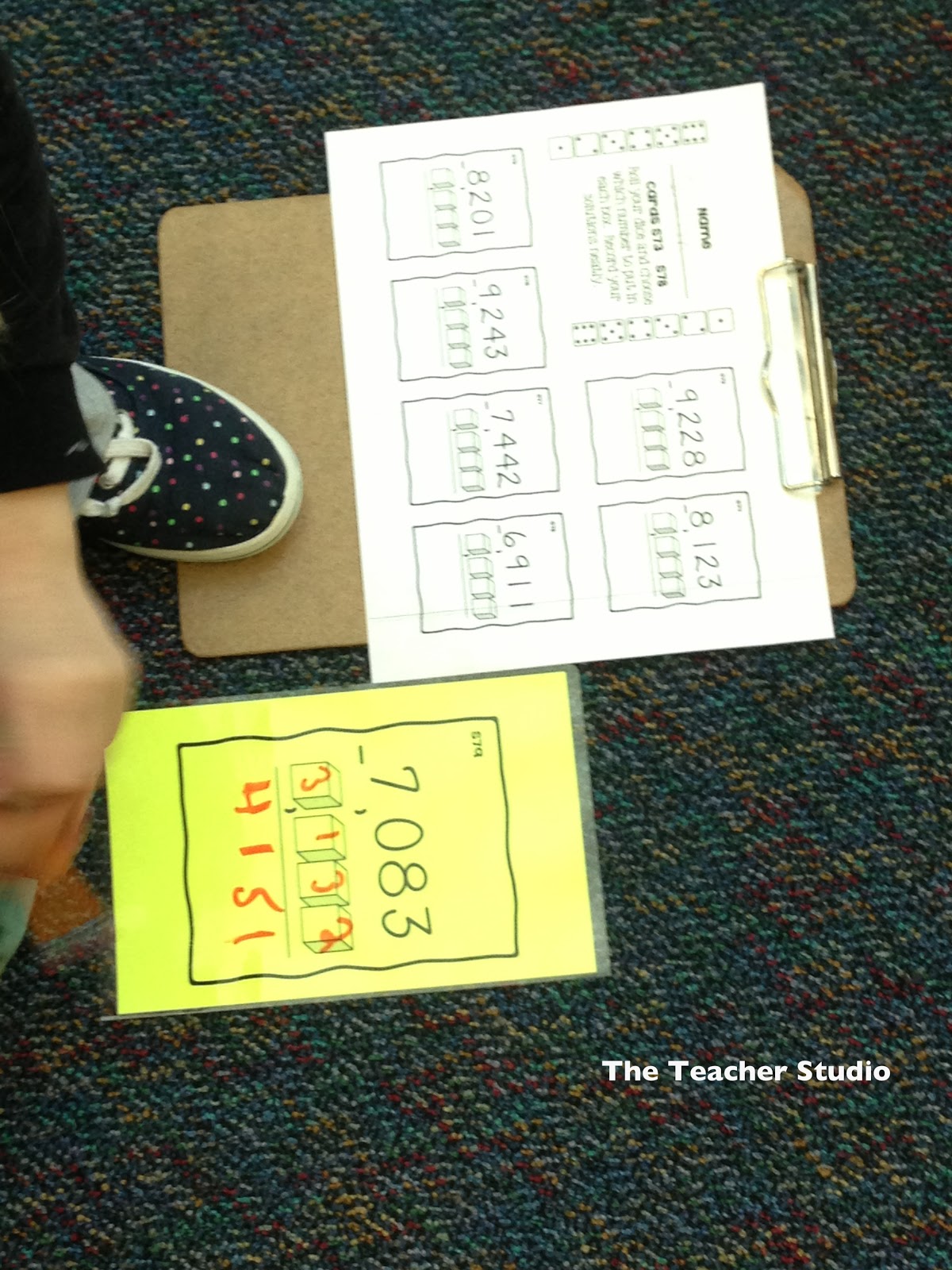 |
| I laminated the cards so students could use wipe off markers right on them. They transfer their answers to the recording sheets. I made each set of cards on a different color paper to keep things organized! |
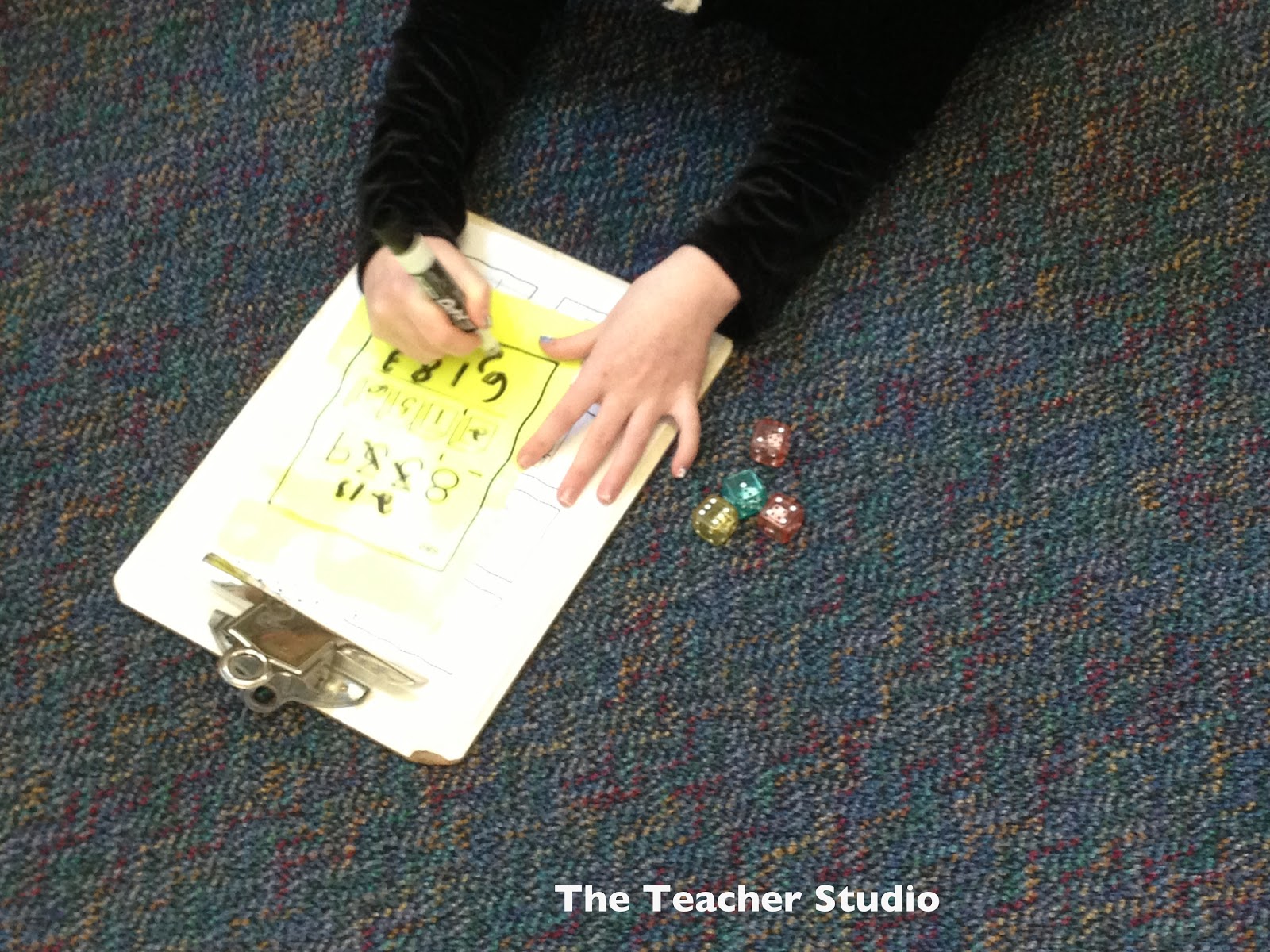 |
| I used these in math workshop–and I differentiated the levels to meet the needs of my students. |
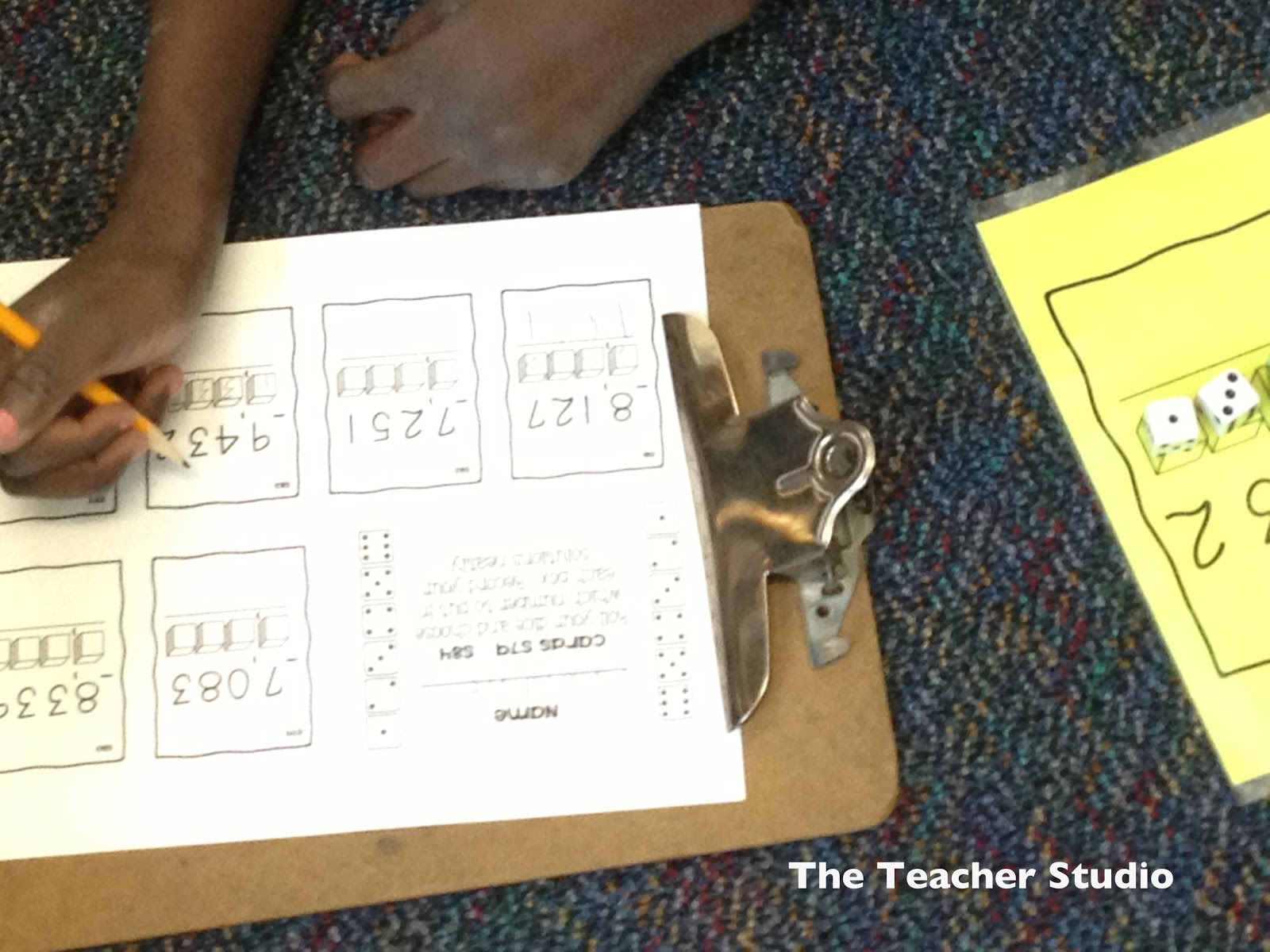 |
| Students were challenged to see how “precisely” they could work! They were thrilled when they got a full page of computation done with no errors! |
You can do these activities on your own–just grab a piece of notebook paper and some dice and let the students go! Here are some tips!
- Let
students check their work on calculators - Have
students work in pairs to check each other’s work - Pair
this with estimating—have students estimate their answers before solving - Make
baggies of task cards and dice to send home for extra practice
If you want to check out the cards I made, I’ve included the link below. My students asked me today to make them for multiplication!


Do you follow me on social media yet? I'd love to connect there!
Facebook
TikTok
Instagram
Youtube
Or sign up for my email list RIGHT HERE for freebies, teaching tips, and more!